TL;DR
Reader interest is spiking around Jari, a premium spirits brand associated with traditional Korean distilling methods entering the U.S. market. Verified details about the brand, its products, and its U.S. distribution are limited, and the cause of the attention spike is unconfirmed.
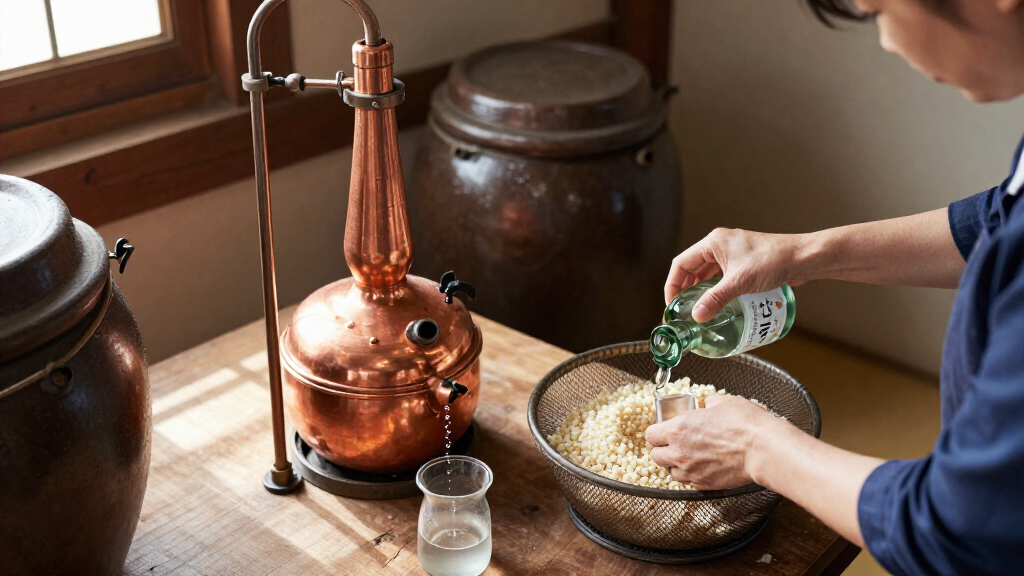
Online interest in Jari, a premium spirits brand that presents itself as bringing traditional Korean distilling to U.S. consumers, is rising sharply, according to a surge in search and media coverage signals picked up through news feed metadata. The topic is circulating under lifestyle categories, but no dated announcement, product launch confirmation, or company statement could be verified as the cause of the spike.

Get furniture and decor delivered free with Prime
- Fast, free delivery on millions of items
- Prime Video, Amazon Music and more included
- Member-only deals all year
The only verified information at this stage is the topic itself and its framing: a brand identified as Jari, described in coverage metadata as offering premium Korean spirits built on traditional Korean distilling methods, aimed at the U.S. consumer market. The subject line appeared via an RSS lifestyle feed, which typically indicates consumer-interest coverage rather than a hard corporate news release.
Long-established context supports the plausibility of such a brand finding an audience. Korea has a documented, centuries-old tradition of distilled spirits, most prominently soju and rice-based distillates, and the broader category of Korean alcohol has gained international visibility alongside the global spread of Korean food, entertainment, and pop culture over the past decade. Premium and craft iterations of traditionally mass-market categories — Japanese whisky, Mexican mezcal, and more recently Korean soju variants — have repeatedly found commercial traction in U.S. retail and bars.
What is not confirmed: the identity of Jari’s founders or parent company, which specific spirit or spirits it sells, its distillation methods, price points, distribution footprint, or whether the current attention stems from a new market entry, a media feature, an investment round, or simple organic curiosity. No named individuals, statements, or quotes could be verified from available material.
Why a Korean Spirits Brand Draws Attention
The interest spike matters because it fits a well-documented pattern: Korean consumer products have repeatedly broken into U.S. premium categories after gaining visibility through Korean cuisine, media, and travel. Spirits analysts have noted for years that soju and other Korean alcoholic beverages were positioned for a similar premiumization wave to the one that transformed Japanese whisky from a niche import into a collector category.
A brand explicitly marketing traditional distilling heritage — rather than competing on price, as mass-market soju historically has in U.S. liquor stores — would represent that shift in strategy. For readers, this could signal wider availability and more varied Korean spirit options on shelves and cocktail menus. For the industry, it is a signal of how cultural exports translate into premium beverage demand.
Products Worth Considering

Google Nest Thermostat – Smart Programmable Wi-Fi Thermostat (Snow)

Dyson Cyclone V10 Origin Cordless Vacuum

Roborock Q7 M5+ Robot Vacuum and Mop with Self-Emptying Dock
As an affiliate, we earn on qualifying purchases.
Korean Spirits and the U.S. Market
Korean distilled spirits are not new to the United States. Bottled soju has been widely available in American liquor stores for decades, historically positioned as a lower-alcohol, value-oriented alternative to vodka. Korean rice wines such as makgeolli have also developed a following in cities with large Korean communities and among restaurant-goers.
What has changed is positioning. Over roughly the last ten years, premium and craft versions of these categories — higher-quality rice distillates, small-batch makgeolli, and heritage-branded soju — have appeared in U.S. markets, often marketed with the same emphasis on artisanal production and regional tradition used by Japanese whisky and Taiwanese and Indian distillers before them. The Jari topic metadata, describing traditional Korean distilling for U.S. consumers, sits squarely within that trend, though the brand’s specifics remain unverified.
“Premium Korean Spirits: Jari Brings Traditional Korean Distilling to U.S. Consumers”
— News feed topic metadata (sole verified source)
What Is Unverified About Jari
The trigger for the interest spike is unconfirmed. It is not clear whether Jari is newly launched, expanding distribution, the subject of a single viral article, or simply benefiting from broader curiosity about Korean alcohol. The available material provides no dates, no company details, no product list, and no named representatives.
Specifically unverified: who owns or operates Jari; what it distills and from what base ingredients; where in the U.S. it is sold, if at all; its pricing; and whether any regulatory filings, import records, or distributor partnerships exist. Readers should treat any additional claims about the brand found on social media as unconfirmed until attributable reporting or company statements emerge.
How to Verify the Jari Story
Confirmation would likely come through standard channels: a company press release, coverage from established beverage-trade outlets such as industry spirits publications, state liquor authority filings, or import and distribution records. Readers interested in verifying the story can check whether Jari appears in state alcohol beverage registries or on major retailers’ spirits listings.
If the brand is genuinely entering or expanding in the U.S. market, expect follow-up coverage naming its products, founders, and distribution partners within weeks. If the spike reflects a single feature article, interest may fade without further developments. This story should be treated as a developing trend signal rather than a confirmed market event.
Key Questions
What is Jari?
Jari is the name of a premium spirits brand described in recent coverage metadata as bringing traditional Korean distilling to U.S. consumers. Beyond that framing, details about the company, its products, and its operations are not yet verified.
Is Jari’s U.S. launch confirmed?
No. A spike in search and media interest is confirmed, but no dated launch announcement, company statement, or distribution details have been verified. The cause of the attention remains unclear.
What are traditional Korean distilled spirits?
Korea has a long-established distilling tradition, most famously soju and rice-based distilled spirits, alongside fermented drinks like makgeolli. These categories are well documented and have been sold in the U.S. for decades, historically at value price points.
Why is interest in Korean spirits growing in the U.S.?
Korean food, media, and culture have gained large U.S. audiences over the past decade, and Korean alcohol has followed a premiumization pattern seen previously with Japanese whisky and other craft imports. Whether Jari specifically benefits from or extends this trend is not yet confirmed.
Where can I buy Jari spirits?
That is not yet known. No verified information exists on Jari’s U.S. distribution, retail availability, or pricing. Checking state alcohol registries and major spirits retailers would be the practical way to confirm availability.
Source: rss