
You’ll find that farmhouse windows in New England are sized the way they are to maximize natural light during long, cold winters while maintaining warmth. Smaller panes were easier to produce, replace, and helped reduce drafts, making homes more insulated. The design reflects regional climate and early craftsmanship, with multi-pane styles responding to historical glass limitations. If you want to understand how these practical choices shaped the region’s iconic look, there’s more to discover.

Get furniture and decor delivered free with Prime
- Fast, free delivery on millions of items
- Prime Video, Amazon Music and more included
- Member-only deals all year
Key Takeaways
- Smaller, multi-pane windows were easier to produce and replace due to limited glass-making technology.
- Window size balanced natural light with insulation needs to protect against cold New England winters.
- Dividing windows into smaller sections helped reduce drafts and maintain interior warmth.
- Regional climate demands influenced window dimensions to maximize light while minimizing heat loss.
- Advances in glass technology allowed for larger, clearer panes in modern renovations, reflecting historical design.

In New England, farmhouse windows are more than just functional features—they’re a defining element of the region’s charming architectural style. Their size and shape weren’t random choices; they were carefully designed to serve practical needs while honoring the area’s rich historical architecture. When you look at these windows, you’re seeing a blend of functionality and tradition that reflects the region’s early settlers’ ingenuity. During the initial farmhouse construction, window installation was a critical step, often dictated by the materials available and the climate. Larger windows let in abundant natural light, which was especially important before electricity was common, helping you brighten dark interiors during long, cold winters. At the same time, the size of these windows was balanced against the need for insulation and protection from harsh weather. Smaller panes were easier to produce and replace, and their design helped keep drafts at bay, which was essential in maintaining warmth.
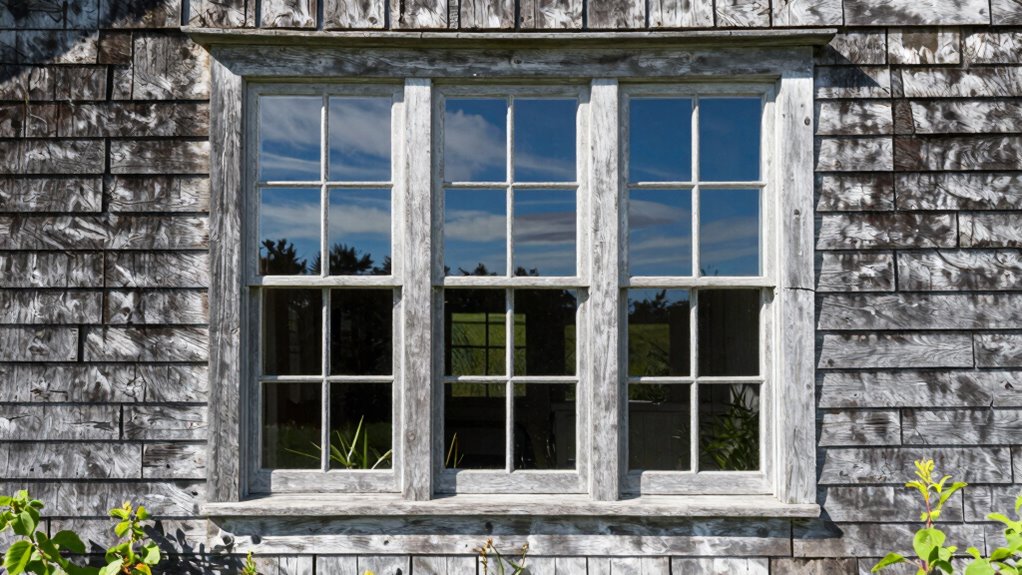
The dimensions of farmhouse windows also tie directly to the region’s historical architecture. Many of these homes were built with practicality in mind, but they also reflect the craftsmanship and design sensibilities of early New England settlers. Large, multi-pane windows became a hallmark, often divided into smaller sections by wooden muntins. This wasn’t just an aesthetic choice; it was a response to the limitations of glass-making techniques at the time. Larger panes were difficult to produce and transport, so dividing windows into smaller sections made sense both practically and economically. Over time, these window sizes became a distinctive feature, contributing to the cozy, symmetrical look that characterizes many historic farmhouses. Additionally, advancements in glass technology have allowed for larger, clearer panes in more recent renovations, helping preserve the authentic style while improving functionality. Understanding these historical constraints can also shed light on the architectural evolution of New England farmhouses over time. Recognizing the practical considerations that influenced window sizing helps explain why these homes look the way they do today. Moreover, the traditional window proportions were often designed to maximize natural light, which was vital in the region’s long, dark winters. Recognizing the practical origins of farmhouse window dimensions helps you appreciate their role in New England’s architectural heritage. These windows weren’t just about style—they were about survival, comfort, and craftsmanship, woven into the very fabric of the region’s history.
As an affiliate, we earn on qualifying purchases.
Frequently Asked Questions
How Did Window Sizes Affect Interior Lighting During Winter?
During winter, the smaller farmhouse windows limit natural light, making your interior darker and colder. You notice less winter illumination because the limited window size restricts the amount of sunlight that enters. This design was intentional, helping retain heat, but it also affects how bright your home feels. To improve winter lighting, you might add larger windows or use reflective surfaces to maximize the available natural light and brighten your space.
Were There Regional Differences in Farmhouse Window Dimensions Across New England?
Yes, regional differences influenced farmhouse window dimensions across New England. In coastal areas, window frame styles favored larger panes to maximize daylight, while inland regions used smaller, more durable frames suited to harsher weather. These differences stemmed from local window installation techniques and climate needs. You’ll notice that in each region, window sizes adapted to optimize natural light and insulation, reflecting the local building practices and environmental conditions.
How Did Window Size Influence Heating Efficiency in Old Farmhouses?
Your farmhouse’s window size acts like a delicate balance beam, influencing heating efficiency. Smaller windows, with their limited glass surface, reduce heat loss, especially when positioned carefully for *ideal* window placement. Thick glass further insulates, trapping warmth inside. Together, these design choices helped retain heat during harsh New England winters, making your home snug and cozy, even in the coldest months.
Did Window Size Choices Change Over Different Historical Periods?
Yes, window size choices evolved over time, reflecting changes in window frame styles and glass installation techniques. During early periods, small, functional windows prioritized insulation, but later, larger windows with more decorative frames gained popularity. Advances in glass-making allowed for bigger panes, and improved installation techniques guaranteed better insulation and durability. You’ll notice these shifts as architectural trends and technological innovations influenced how window sizes adapted to both style and efficiency needs.
Were Specific Materials Preferred for Farmhouse Window Frames?
Did you know that pine was the most preferred material for farmhouse window frames, thanks to its affordability and availability? You’ll find that pine provided excellent farmhouse window durability, essential for New England’s harsh winters. People favored wood over other materials because it was easy to work with and offered good insulation. This choice helped guarantee the windows lasted longer, protecting homes through cold seasons and heavy storms.
Conclusion
You now know why farmhouse windows in New England are the way they are. Their size wasn’t just about style, but practicality—maximizing light and heat in colder months. Interestingly, studies show that these windows were often designed to fit specific frame sizes, reducing waste and cost. So next time you see a farmhouse window, remember it’s a perfect blend of function and tradition, shaped by the harsh New England climate and resourcefulness.
Fall Picks
fall essentials
As an affiliate, we earn on qualifying purchases.