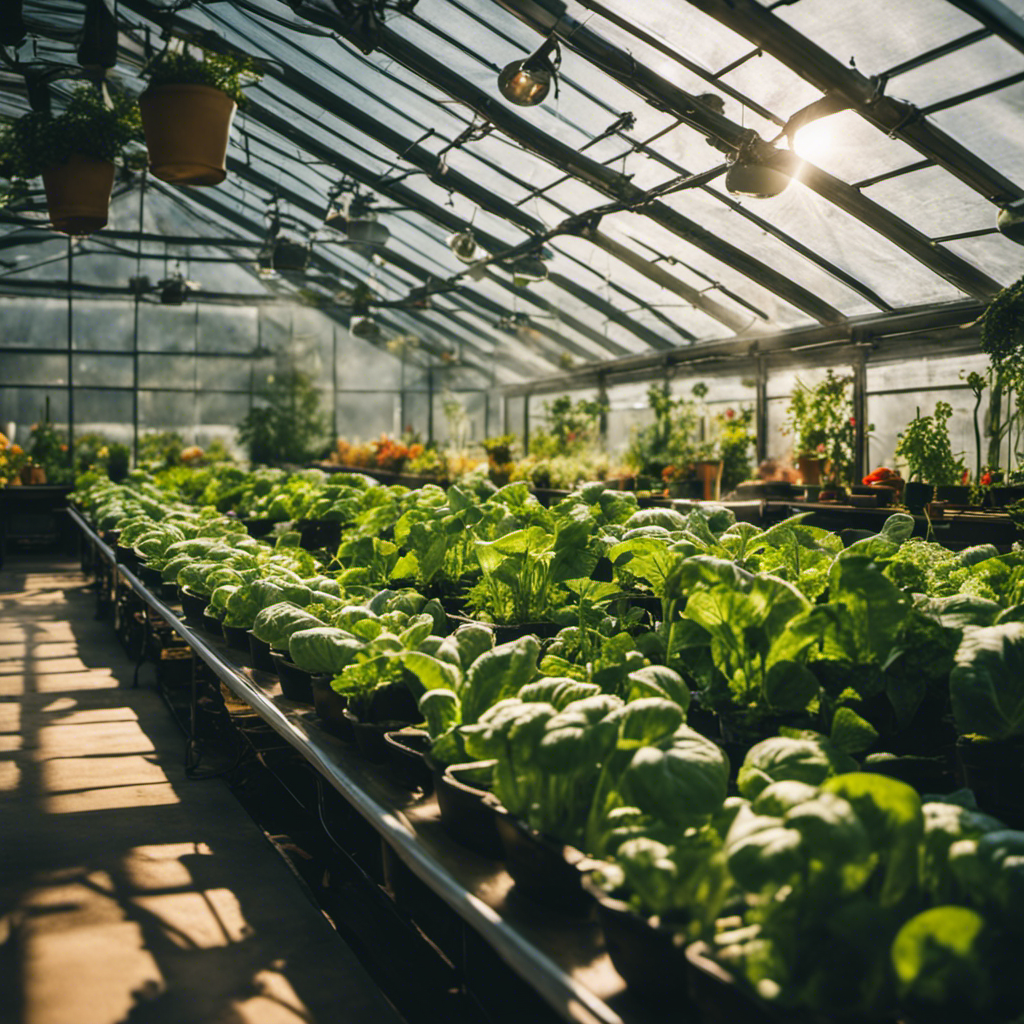
Labor bottlenecks on small homesteads happen when inefficient crop rotation, poor livestock management, and lack of proper infrastructure overwhelm your chores. Repeating the same crops depletes soil, pests increase, and your work piles up. Inadequate fencing or housing causes injuries, while reactive tasks take time away from proactive planning. By addressing these issues and improving your strategies, you can reduce workload and boost productivity—discover how to get ahead by exploring these solutions further.

Get furniture and decor delivered free — and shop member deals
- Fast, free delivery on millions of items
- Access to Prime Big Deal Days deals on October 6–7
- Prime Video, Amazon Music and more included
Key Takeaways
- Labor bottlenecks often stem from inefficient crop rotation and livestock management practices.
- Poor infrastructure and unplanned chores exacerbate workload, creating seasonal and daily delays.
- Crop rotation issues lead to soil depletion, pest problems, and reduced yields, increasing labor demands.
- Inadequate livestock care causes health issues and injuries, adding to chores and disrupting schedules.
- Strategic planning and infrastructure improvements can significantly reduce reactive chores and boost farm efficiency.

Have you ever wondered why small homesteads often struggle to keep up with their workload? It’s usually because they face labor bottlenecks—times when tasks pile up faster than they can handle them. These bottlenecks happen for a variety of reasons, but two major culprits are inefficient crop rotation and poor livestock management. Understanding how these factors impact your workload can help you find better ways to streamline your farm operations.
Crop rotation is essential for maintaining healthy soil and maximizing yields. But if you’re not planning your rotations carefully, you might find yourself constantly catching up. For example, planting the same crops repeatedly in the same spot depletes nutrients and invites pests, forcing you to spend more time on soil amendments and pest control. When crop rotation isn’t properly scheduled, you end up with a backlog of chores—fighting weeds, fixing soil deficiencies, or replanting after failed crops. This adds stress during peak seasons when every minute counts, creating a bottleneck that limits your overall productivity. Implementing a well-structured crop rotation plan can also help conserve resources and reduce the reliance on chemical inputs, which can be time-consuming to manage.
Poor crop rotation leads to nutrient depletion, pests, and increased chores, creating seasonal bottlenecks on your homestead.
Livestock management can also become a labor bottleneck if not done efficiently. Small homesteads often keep a handful of animals—chickens, goats, or pigs—but managing their health and daily needs still demands significant effort. If you don’t have a clear routine or proper infrastructure, tasks like feeding, cleaning, and health checks can quickly become overwhelming. When animals aren’t managed well, illnesses can spread, leading to more time-consuming veterinary visits and treatments. Additionally, improper fencing or housing can cause escapes or injuries, requiring extra labor to fix problems and prevent future issues. When livestock tasks pile up, they take precious time away from planting or harvesting, creating a cycle where you’re constantly trying to catch up. Utilizing vetted survival gear like durable fencing and easy-to-clean shelters can minimize these issues and streamline daily livestock chores.
Furthermore, implementing efficient crop rotation can significantly reduce the workload by preventing pest infestations and soil depletion, which often lead to additional chores. These labor bottlenecks are interconnected. Poor crop rotation can lead to increased pest and weed problems, which demand more time to control. Inefficient livestock management can reduce productivity and increase the amount of time spent on health issues. Both situations divert your attention from other crucial tasks, making it difficult to keep your homestead running smoothly.
To avoid these bottlenecks, you need a strategic approach. Plan your crop rotation schedule to optimize soil health and reduce pest problems upfront. Develop a routine for livestock that includes preventive health measures and efficient infrastructure. When you address these issues proactively, you minimize the time spent on reactive chores, freeing you to focus on expanding your homestead or enjoying your farm. Recognizing how crop rotation and livestock management impact your workload allows you to make smarter decisions, so your small homestead can thrive without being overwhelmed by labor bottlenecks.
As an affiliate, we earn on qualifying purchases.
Frequently Asked Questions
How Do I Identify Hidden Labor Bottlenecks Early?
To identify hidden labor bottlenecks early, keep a close eye on your crop rotation schedule and pest management tasks. If certain chores pile up or take longer than expected, it signals a bottleneck. Regularly review your workload, noting when tasks like planting, watering, or pest control fall behind. This proactive approach helps you spot hidden delays, allowing you to adjust your plans before they impact your homestead’s productivity.
What Tools Can Reduce Manual Labor on Small Homesteads?
You can reduce manual labor on your small homestead by investing in automation systems like automatic watering or feeding systems, which save time and effort. Energy-efficient tools, such as electric fencing or solar-powered garden equipment, also minimize manual work and lower energy costs. These tools streamline chores, allowing you to focus on more important tasks, and help prevent bottlenecks caused by overexertion or equipment failure.
How Can I Prioritize Tasks to Avoid Bottlenecks?
Think of your homestead as a finely tuned orchestra—you need to prioritize tasks to keep everything harmonious. Start with essential chores like crop rotation and pest management, which prevent bigger issues later. Schedule these tasks during peak energy times and batch similar jobs together. By planning ahead and tackling critical tasks first, you avoid bottlenecks, ensuring your homestead runs smoothly without unnecessary delays.
Are There Seasonal Labor Challenges I Should Anticipate?
Yes, seasonal labor challenges are common on small homesteads. You should plan around seasonal crop planting and harvest times, which demand extra effort. Livestock management tasks also fluctuate with seasons, like shearing or winter feeding. To avoid bottlenecks, schedule tasks ahead of time, prepare supplies, and consider hiring help during peak seasons. Proper planning guarantees you can handle busy periods smoothly without overwhelming yourself.
How Can Community Help Alleviate Labor Shortages?
Like the ancient agora, your community can be a vibrant hub of support, easing labor shortages through sharing and skill exchange. By pooling resources, neighbors help each other with tasks like planting or harvesting, ensuring no one bears the full burden. You can organize work parties or swap skills—whether it’s gardening, animal care, or repairs—fostering a collective effort that strengthens bonds and keeps your homestead thriving without overwhelming anyone.
Conclusion
Facing labor bottlenecks on your homestead isn’t easy, but understanding the root causes helps you find solutions. Imagine a small farm where a family struggles during harvest season, feeling overwhelmed and exhausted. By planning ahead, prioritizing tasks, and maybe even enlisting help, you can turn those bottlenecks into opportunities for growth. Remember, every challenge is a chance to learn and adapt—your homestead’s future depends on your resilience and ingenuity.
Halloween Picks
halloween
As an affiliate, we earn on qualifying purchases.