
TL;DR
A maker is using Google’s Gemini image-generation and coding tools to help design 3D-printed parts for a Fallout 4-inspired Halloween costume prop. The AI-produced OpenSCAD code helped generate workable shapes, but its errors and limits have required repeated prompting and manual edits; the finished prop has not yet been completed.
A maker is using Google Gemini to help design and 3D-print components for a Fallout 4-inspired Halloween prop, turning a vague idea into editable OpenSCAD models. The project is still underway, and the maker says the AI has produced errors that required repeated prompts and hands-on changes.

Get furniture and decor delivered free with Prime
- Fast, free delivery on millions of items
- Prime Video, Amazon Music and more included
- Member-only deals all year
The project began after the maker’s son chose a Fallout-themed costume. A full DIY power-armor suit was judged too ambitious for the time available, so the plan shifted to a character look with a decorated chest piece and a more elaborate prop. An attempted order for a low-cost motorcycle chest protector was delayed, and the maker said it appeared to have been lost. The costume’s chest piece may instead use foam and craft materials.
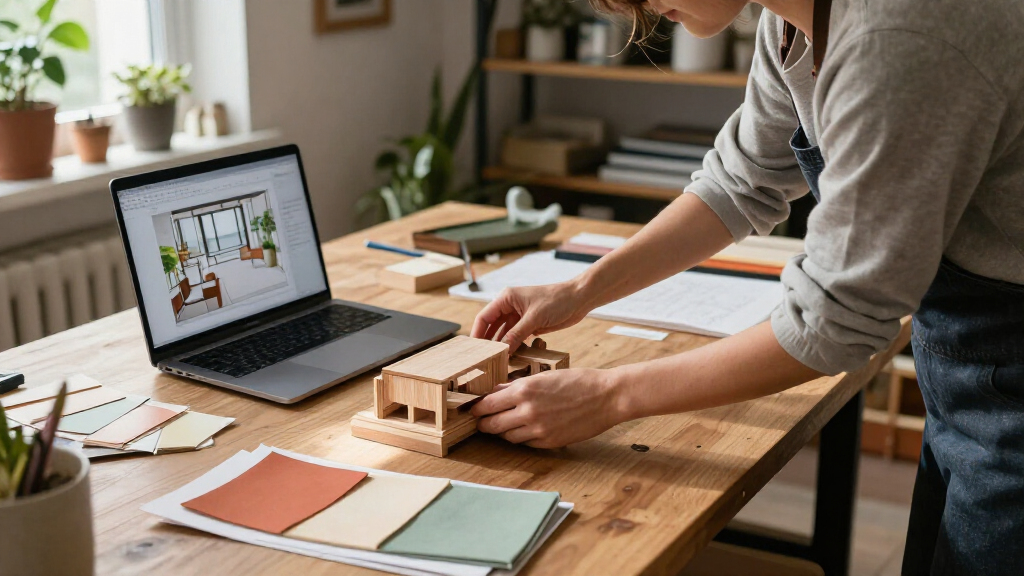
Attention then turned to a custom prop. The maker used Gemini to help develop a truncated-cone shape with a mounting ring, eventually settling on a design made from two connected truncated cones. Gemini supplied OpenSCAD code, which the maker could adjust by changing parameters for geometry and dimensions. A test print was considered good enough to inform the next version, although the filament used was wet and was being dried.
The maker also used AI-generated code to develop a handle and other components. Some dimensions and features were changed directly in the code, including holes in a mounting plate and slots in vertical columns. The maker described one print as a low-density test and said the next step would depend on whether it works. If needed, the parts may be remodeled in Fusion or similar software for more direct control.
AI as a Prototype Design Aid
The account shows one practical use of generative AI in a hands-on maker project: helping a user move from an incomplete visual idea to basic, editable geometry that can be tested with a 3D printer. In this case, the value was not a finished design delivered without effort. Gemini provided code for shapes the maker could revise, making it possible to explore dimensions before building the larger prop.
The example also makes the limits visible. The maker reported that the AI ignored instructions about flush side arms and the placement of pill-shaped holes, and added chamfers that were not wanted. The output needed inspection, correction and iteration. For readers considering similar tools, the report presents AI as a possible aid for early modeling and tedious steps, not a replacement for design judgment, accurate constraints or physical testing.
The project’s deadline also affects the design choices. Rather than create a single integrated object in modeling software, the maker expects to attach individually designed parts to a small wooden box, using screws, glue or other assembly methods. That approach may be less cohesive, but it gives the family a path toward a rough first version in time for the holiday.
Products Worth Considering

Philips Hue Play HDMI Sync Box

Hisense 40-Inch QD4SR Series Hi-QLED FHD Roku Smart TV

Ring Alarm 14-Piece Kit
As an affiliate, we earn on qualifying purchases.
From Costume Idea to Printed Parts
The maker initially considered a more ambitious costume but changed course because a homemade power-armor build did not fit the available timeframe. The prop is intended to carry more of the visual detail, with a black hard hat and a flashlight attached with duct tape among the planned costume elements. The intended design is original rather than a close reproduction of a particular game object.
Some components have separate purposes in the planning process. Green printed parts, based on 3D files from McMaster-Carr, represent non-pressurizable air fittings. The maker used them to check how fittings might sit in the assembly with quarter-inch inner-diameter air hoses, and to avoid ordering too many metal fittings before deciding what the design needs.
The maker said modeling a single familiar part is manageable, while planning several parts that must fit together is harder. The current build may therefore use a small wooden box as a base, with separate printed elements attached to it. A more integrated assembly could require remodeling the parts in software such as Fusion, but the maker said that may not happen for this deadline-driven version.
“The AI made a lot of mistakes, and I’m also learning how to better constrain dimensions in my prompts.”
— The maker, in the ToolGuyd report
The Prop Is Not Finished
The final design, construction method and appearance remain undecided. The maker has not confirmed whether the current low-density handle print will work, whether the parts will be printed in a final color, or whether some or all of the components will instead be remodeled in Fusion or another CAD program.
It is also not yet clear whether the prop will include functional elements or how the wires requested by the maker’s son will be incorporated. The maker has described possible ways to assemble the parts but has not reported a completed prop or a final decision on fittings. The account is a progress report from one project, not evidence that AI-generated designs will work reliably for other makers or printers.
A Rough First Version Before Halloween
The maker plans to assemble a rough first version, likely attaching separate parts to a small wooden box, and refine the design later if time allows. The next steps include evaluating the current test prints, adjusting the geometry and adding mounting holes to a revised cone component so it can be screwed to the box.
The family’s intended plan is to build the prop together, with the son free to decide what to call it. The maker has suggested a synth, ghoul or mutant detector as possible concepts, but no final name or finished Halloween build has been reported.
Key Questions
What is the maker building?
A homemade prop for a Fallout 4-inspired Halloween costume. The maker is designing separate parts to attach to a small wooden box, rather than attempting a full power-armor costume.
How is Gemini being used?
The maker used Google Gemini to help develop shapes and generate OpenSCAD code for 3D-printable components. The code can be edited by changing parameters, and the maker has made further adjustments after testing the output.
Did the AI produce a finished, accurate design?
No. The maker reported that Gemini ignored some design instructions and added unwanted features. The generated models and code have needed repeated prompting and manual review, and the final prop is not complete.
What happens to the parts after the test prints?
The maker plans to assess the prints and revise the parts, including adding mounting holes to one component. Depending on the results and available time, the parts may be printed in a final color or remodeled in CAD software before assembly.
Source: rss