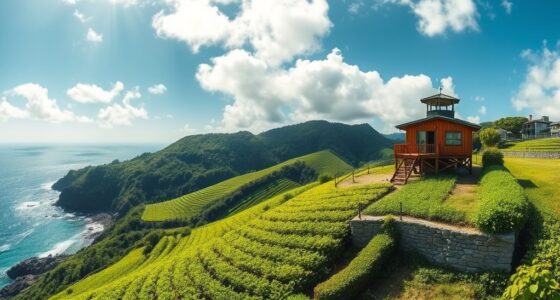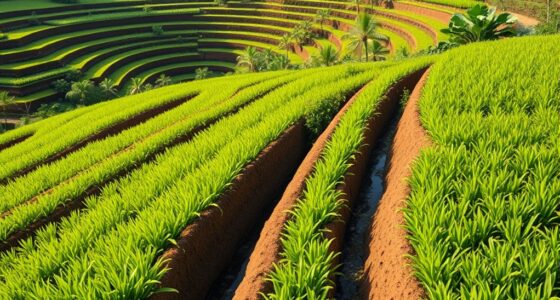
Homesteading on Hawaiian Home Lands gives you a chance to reconnect with ancestral lands, preserve cultural traditions, and strengthen your community. While legal challenges and bureaucracy can make the process complex, efforts are underway to simplify land rights and protect homesteaders. By participating, you help revive traditional practices like farming and craftsmanship, ensuring your heritage endures. If you keep exploring, you’ll discover more about how these opportunities support cultural resilience and future hope.

Get furniture and decor delivered free — and shop member deals
- Fast, free delivery on millions of items
- Access to Prime Big Deal Days deals on October 6–7
- Prime Video, Amazon Music and more included
Key Takeaways
- Homesteading on Hawaiian Home Lands seeks to restore landownership rights for Native Hawaiians.
- It strengthens cultural ties by enabling traditional practices like farming, fishing, and crafts.
- Legal barriers and complex bureaucratic processes often hinder land claims and ownership rights.
- Advocacy groups push for policy reforms to simplify legal procedures and protect homesteaders.
- Homesteading symbolizes resilience, cultural preservation, and hopes for a self-sufficient Hawaiian community.
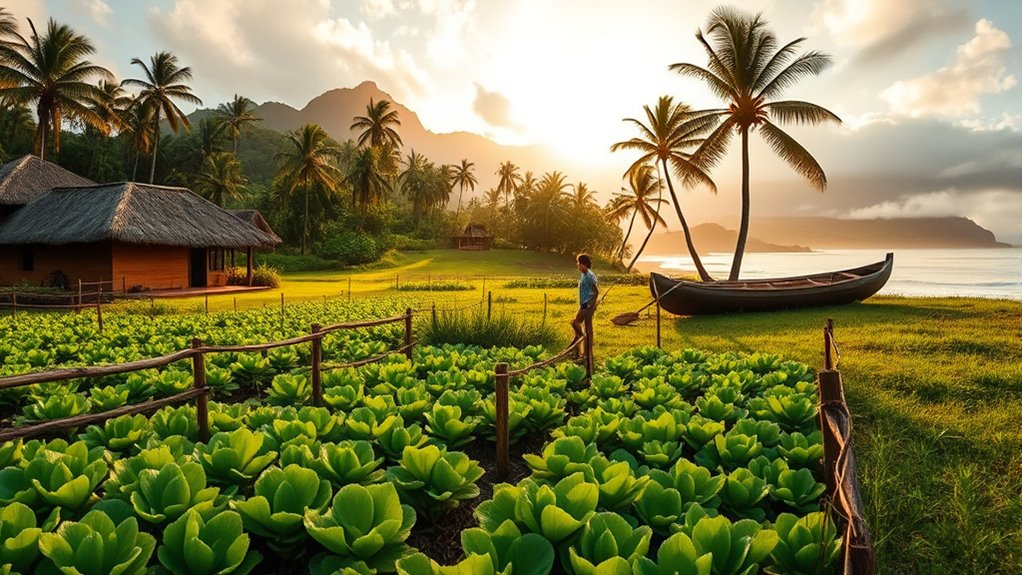
Homesteading on Hawaiian Home Lands offers a unique opportunity for Native Hawaiians to regain landownership and strengthen their cultural ties. This initiative aims to reconnect families with ancestral lands, allowing for cultural preservation and fostering community resilience. By establishing homesteads, Native Hawaiians can practice traditional farming, fishing, and crafting, thereby maintaining their heritage and passing it down through generations. However, despite these promising prospects, many face significant legal challenges that complicate their efforts to secure land and fully realize the benefits of homesteading.
One of the primary hurdles involves maneuvering through complex legal frameworks that have historically marginalized Native Hawaiians. Land titles and ownership rights are often entangled in bureaucratic red tape, making it difficult for individuals to claim or establish clear rights to their homesteads. Additionally, some lands designated for homesteading are contested or held by entities unwilling to relinquish control, which can lead to lengthy legal battles. These legal challenges threaten to undermine the very purpose of homesteading—to empower Native Hawaiians and restore their connection to the land.
Despite these legal obstacles, the importance of cultural preservation remains a driving force behind homesteading efforts. Many Native Hawaiians view land as a sacred gift from their ancestors, integral to their identity and spiritual practices. Homesteading provides a platform to revive traditional skills and customs, such as taro farming, fishing, and crafting, which are crucial for maintaining their cultural integrity. It also creates opportunities for community gatherings and cultural ceremonies, reinforcing bonds among Native Hawaiians and ensuring that their heritage endures.
Addressing these legal challenges requires ongoing advocacy and policy reform. Native Hawaiian organizations work tirelessly to streamline the legal process, advocate for fair land rights, and protect homesteaders from encroachment or dispossession. They push for recognition of their cultural rights and emphasize that landownership is not just about property but about safeguarding their identity and history. While maneuvering through the legal landscape can be difficult, the effort to secure land on Hawaiian Home Lands is essential for cultural preservation and empowering Native Hawaiians to control their future.
In the end, homesteading on Hawaiian Home Lands stands as a symbol of resilience and hope. It’s a chance for Native Hawaiians to reconnect with their roots, preserve their traditions, and build a future rooted in their cultural identity. Though legal challenges persist, the collective determination to protect and reclaim their land continues to inspire efforts toward a more equitable and culturally rich Hawaiian community.
Hawaiian farming tools and supplies
As an affiliate, we earn on qualifying purchases.
As an affiliate, we earn on qualifying purchases.
Frequently Asked Questions
How Long Does the Homesteading Application Process Typically Take?
The application timeline for homesteading on Hawaiian Home Lands usually takes about 1 to 2 years, but processing duration can differ. You might experience delays depending on the volume of applications and completeness of your paperwork. Stay proactive by checking your status regularly and responding promptly to any requests. Patience is key, as the authorities aim to guarantee thorough review, which helps speed up the process overall.
Are There Restrictions on Selling or Transferring Homestead Lands?
Think of your homestead land as a cherished family heirloom. You can’t just pass it around freely; there are land transfer restrictions and resale limitations in place to protect its legacy. Selling or transferring your land requires approval and follows specific guidelines, ensuring it stays within the community and honors its purpose. So, while you can share it, there’s a careful process to keep the land’s spirit alive for future generations.
What Ongoing Responsibilities Do Homesteaders Have for Land Maintenance?
You’re responsible for land maintenance, including regular land clearing to prevent overgrowth and manage vegetation. Water management is also essential; you must ensure proper irrigation and prevent runoff problems. Keeping the land in good condition helps maintain its value and complies with regulations. Failing to manage these tasks can lead to penalties, so stay proactive with land clearing and water management to fulfill your ongoing responsibilities as a homesteader.
Can Non-Hawaiian Descendants Apply for Homesteading?
You can’t apply for homesteading if you’re not a Native Hawaiian, as the program’s roots are deeply tied to Native Hawaiian sovereignty. Think of it as a sacred garden, only for those with a special seed—Native Hawaiians. Land leasing options might be available, but homesteading remains exclusive, ensuring the land’s cultural integrity. Respecting this rule helps preserve the community’s history and sovereignty for future generations.
Are There Financial Assistance Programs Available for Homesteaders?
Yes, there are financial assistance programs available for homesteaders. You can apply for financial grants and land grants that help cover costs like land development, housing, and infrastructure. These programs aim to support you in establishing and maintaining your homestead. To access these resources, check with local agencies and the Hawaiian Home Lands program, as they often provide guidance and application assistance to help you secure the necessary funds.
Conclusion
So, you’ve mastered the art of homesteading on Hawaiian Home Lands—because nothing screams progress like turning ancestral lands into your personal backyard. Who needs centuries of cultural heritage when you can grow sweet potatoes and call it a day? Just remember, while you’re busy carving out your slice of paradise, the real question is: are you preserving history or just rewriting it with a plow? Either way, aloha to your new “homestead”!
Fall Picks
fall essentials
As an affiliate, we earn on qualifying purchases.