
TL;DR
A House Beautiful report says interior designers recommend choosing a room’s paint color after settling larger, harder-to-change finishes and furnishings. They also advise testing samples at home, checking undertones and observing how colors look in the room’s light.
Interior designers quoted by House Beautiful recommend choosing a room’s final paint color only after its harder-to-change finishes and furnishings are settled. The advice is meant to help homeowners select a shade that works with flooring, counters, cabinets, rugs and other existing choices, rather than letting an early wall-color decision constrain the rest of the room.

Get furniture and decor delivered free with Prime
- Fast, free delivery on millions of items
- Prime Video, Amazon Music and more included
- Member-only deals all year
Designer Dana Arazi Levine told House Beautiful that rugs, curtains, upholstery and art offer fewer options than paint. Choosing wall color too early, she said, can limit later decisions or lead homeowners to spend more on custom pieces to make the room work. The report presents this as designers’ guidance, not as a measured finding about costs or outcomes.
Lisa Quinn said she finalizes elements that cannot easily be painted or swapped, including flooring, counters, cabinets and large furniture. She cautioned that paint chips can make similar colors appear difficult to distinguish, while surrounding materials may reveal a mismatch. A shade that reads as neutral on a small sample, she said, may clash with honey oak flooring or cool marble.
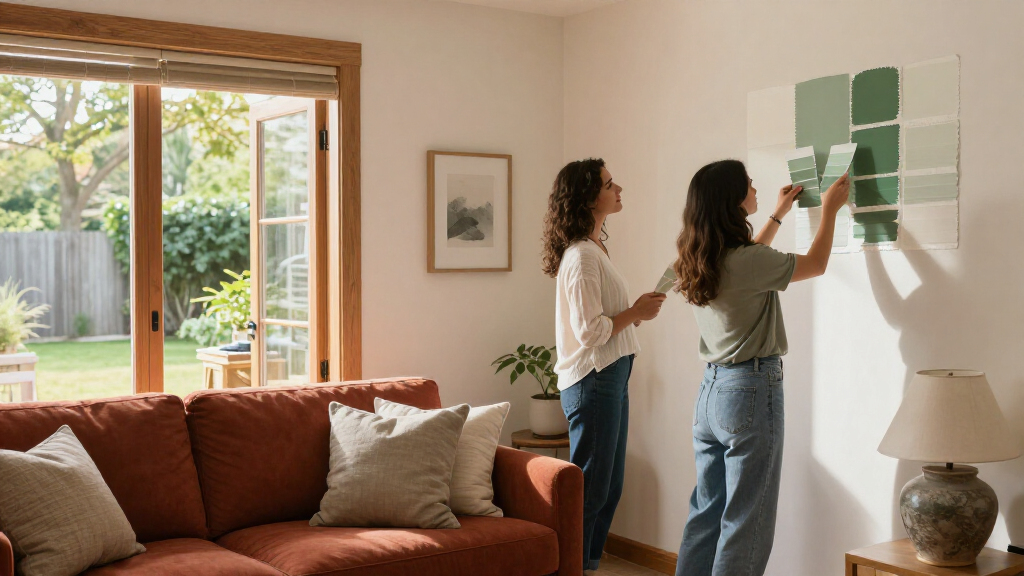
Once those choices are in place, the report recommends narrowing paint options against the room itself. The designers quoted also advise considering undertones, bringing samples home and viewing them on a wall for at least 24 hours. The supplied material does not identify a particular paint brand or color as the right choice for all rooms.
Why Finish Choices Come First
Paint is highly changeable compared with many of the surfaces and objects that shape a room. Selecting it after those pieces are chosen gives homeowners a practical way to judge whether a shade complements what is already there. It can also reduce the number of paint colors under consideration, since some options may plainly conflict with the room’s materials.
The approach matters most when a project includes substantial fixed finishes or costly furnishings. Levine’s warning about custom pieces describes a possible consequence of choosing paint early; the report provides no price data showing how often that happens. The advice is a design strategy for coordinating decisions, rather than a guarantee that following it will prevent costly mistakes.
It also changes how shoppers evaluate samples. Instead of picking the color that looks most appealing on a store chip, the report suggests judging candidates in relation to the room’s flooring, cabinetry, counters and decor. That puts the final decision in the setting where the color will be used.
Products Worth Considering

Dyson Purifier Cool PC2 De-NOx

Philips Hue Bridge Pro Smart Lighting Hub

Philips Hue Smart Light Starter Kit with Bridge and 4 White and Color A19 Bulbs
As an affiliate, we earn on qualifying purchases.
How Room Details Affect Color
House Beautiful’s report includes several additional recommendations for narrowing the choice. Designer Lauren Grant said she selects a more subdued or neutral color than the final effect she imagines. She explained that light and color reflected from other walls can make paint appear more intense or higher in contrast once it is on the walls. This is her professional guidance, not a universal rule for every room or paint.
Quinn advises looking beyond a color’s broad category to its undertones. For near-identical samples, she suggests asking whether a brown leans toward yellow, pink, purple or green. These underlying hues can help distinguish samples that look alike in the store and can affect how they sit alongside wood, stone and other finishes.
Designer Lindsay Atapattu of LEB Interiors recommends bringing finalist samples home, painting them on the wall and observing them for at least 24 hours. She said lighting, room direction and existing decor can change how a color appears. The report does not specify a standard sample size, testing method or time of day for comparing shades.
““A color that looks neutral on a chip can clash the very second it meets honey oak flooring or cool marble.””
— Lisa Quinn, interior designer
Limits of the Paint Advice
The report offers designers’ recommendations, not a controlled comparison of choosing paint early versus late. It does not quantify potential savings, establish how often an early color choice causes problems or show that every homeowner should follow the same sequence. Individual room conditions, budgets and preferences may differ.
The supplied source also does not give the report’s publication date or identify a specific project timeline. Its guidance to leave samples up for at least 24 hours is attributed to Atapattu, but the material does not say whether that period covers every lighting condition a room may experience. No single shade is identified as suitable for all spaces.
Test Finalists in the Room
For readers applying the advice, the next step is to settle the room’s fixed finishes and larger furnishings, then compare a smaller group of paint candidates against them. The designers quoted recommend bringing samples home, checking undertones and observing the colors on the wall for at least 24 hours before deciding.
The report does not announce a follow-up, a product release or another scheduled milestone. The paint decision remains with the homeowner, who can use the designers’ suggestions to assess how shortlisted shades work with the room’s materials, lighting and decor.
Key Questions
What is the main rule designers recommend?
Choose the final paint color after settling harder-to-change finishes and furnishings, such as flooring, counters, cabinets and large furniture.
Why not choose paint first?
Levine told House Beautiful that deciding on wall color early can limit later choices for rugs, curtains, upholstery and art, or lead to spending more on custom pieces. The report gives this as a possible consequence, not a quantified result.
How long should paint samples stay on the wall?
Atapattu recommends observing a wall sample for at least 24 hours. The report says lighting and room direction affect how a color looks.
What should I check when comparing similar shades?
Quinn advises checking undertones, including whether a color leans yellow, pink, purple or green. The report also recommends testing samples at home against the room’s existing finishes and decor.
Source: rss