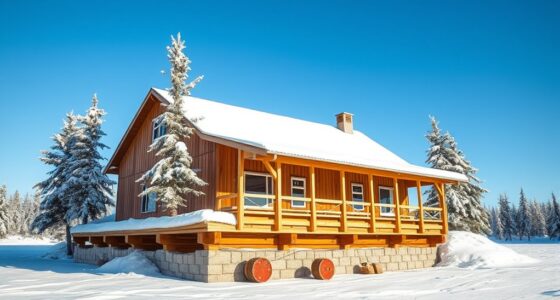
In Alaska, combining oil stoves and wood heating offers a reliable way to stay warm off-grid. Oil stoves provide consistent heat during the coldest months, while wood stoves harness renewable firewood you gather yourself. This mix guarantees you won’t rely solely on fuel deliveries or fragile systems. Using both methods enhances resilience and efficiency, keeping your home cozy through harsh winters. To learn more about how these options work together, keep exploring different heating strategies.
Key Takeaways
- Oil stoves provide reliable, consistent heat during extreme cold and long winters but require regular fuel supply and maintenance.
- Wood heating offers a renewable, cost-effective option if firewood is accessible and properly stored.
- Combining oil and wood systems enhances resilience and ensures continuous warmth in remote Alaskan locations.
- Off-grid homes can integrate solar thermal or geothermal systems to reduce reliance on oil and wood.
- Proper system planning and maintenance are essential for ensuring dependable, efficient heating in Alaska’s harsh climate.

Living off the grid means relying on alternative heating methods that don’t depend on traditional utilities. In Alaska, where outdoor temperatures can plummet dramatically, choosing the right heating system is crucial for comfort and safety. You might consider solar thermal systems, which use sunlight to generate heat stored in water or other fluids, providing warmth even during overcast days. While solar thermal works well in sunnier seasons, it’s essential to have backup options during long, dark winters. Geothermal heating offers another dependable solution; it taps into the constant temperature beneath the earth’s surface, using underground loops to transfer heat into your home. This method provides consistent warmth with minimal environmental impact, making it ideal for remote locations where fuel delivery can be costly or unreliable.
For those living in Alaska off the grid, oil stoves have traditionally been a popular choice. They’re straightforward, effective, and can be fueled with available supplies, making them dependable during long winters. However, they require regular maintenance and fuel storage, which can be challenging in remote areas. Wood remains a classic, renewable option that many rely on, especially if you have access to a steady supply of firewood. A well-built wood stove can heat large spaces efficiently, and gathering wood can become a part of your self-sufficient lifestyle. Combining wood stoves with other systems like solar thermal or geothermal heating can optimize your energy use, reducing reliance on fuel and lowering costs. Additionally, renewable energy sources such as wind or micro-hydropower can supplement your heating setup, further enhancing your off-grid resilience.
You might also explore integrating modern heating technologies designed for off-grid living. For instance, a solar thermal system can preheat water used in radiators or baseboard heaters, lessening the load on your primary stove. Geothermal heat pumps, though more complex to install initially, can substantially reduce energy consumption over time. When you’re off the grid, it’s all about balancing energy sources—using solar thermal to harness the sun’s power, geothermal heating to utilize the earth’s steady warmth, and traditional methods like wood and oil stoves for reliability and backup. This combination ensures you stay warm through Alaska’s harsh winters without depending on electric grids or costly fuel deliveries. Your goal is to create a resilient, efficient system that keeps your home comfortable no matter how severe the weather gets.

XXSTAR Waste Oil Burner Stove, Oil Furnace Furnace Burning Tool for Home Cooking & Heating (22CM)
Superior Combustion Efficiency Heater——Made with high-grade materials, this waste oil combustion heater is a perfect heating option for…
As an affiliate, we earn on qualifying purchases.
As an affiliate, we earn on qualifying purchases.
Frequently Asked Questions
How Do Oil Stoves Perform in Extreme Cold Temperatures?
Oil stoves perform well in extreme cold temperatures, maintaining good fuel efficiency and reliable startup performance. You’ll find that they heat efficiently even when it’s very cold outside, as long as you keep the fuel fresh and the stove properly maintained. Cold weather might slightly affect startup performance initially, but with proper care, your oil stove will provide consistent warmth and efficient heating in harsh conditions.
What Are the Maintenance Requirements for Wood Stoves?
Did you know that regular maintenance can extend your wood stove’s lifespan by up to 50%? You need to clean the chimney regularly to prevent creosote buildup, which can cause dangerous chimney fires. Also, dispose of ash properly—cool it completely before removal to avoid accidental fires. Promptly check and replace gaskets if needed, and ensure air vents stay clear for efficient heating. Consistent upkeep keeps your stove safe and efficient.
Are There Eco-Friendly Fuel Options for Off-Grid Heating?
Yes, you can choose eco-friendly fuel options like solar heating and geothermal systems for off-grid heating. Solar heating harnesses sunlight to warm your home, reducing reliance on fossil fuels. Geothermal options tap into the earth’s natural heat, providing consistent and sustainable warmth. Both methods are environmentally friendly, energy-efficient, and can markedly lower your carbon footprint, making them ideal choices for off-grid living in Alaska.
How Do I Safely Store Fuel for Oil Stoves?
You should store fuel for oil stoves in a cool, dry, well-ventilated area away from heat sources, sparks, and flames. Use approved, clearly labeled fuel containers to guarantee safety. Keep containers upright to prevent spills, and never store fuel inside your living space. Regularly check container integrity, and follow local regulations for storage location considerations. By following these steps, you protect yourself and your home from potential hazards.
What Are the Costs Comparing Oil Stoves and Wood Heating?
The cost comparison between oil stoves and wood heating shows oil stoves often have higher initial installation expenses due to equipment and venting needs. However, fuel costs for oil tend to be higher over time, making wood heating more economical in the long run. You should consider installation expenses, fuel prices, and your availability of wood or oil supplies to determine which option fits your budget best.
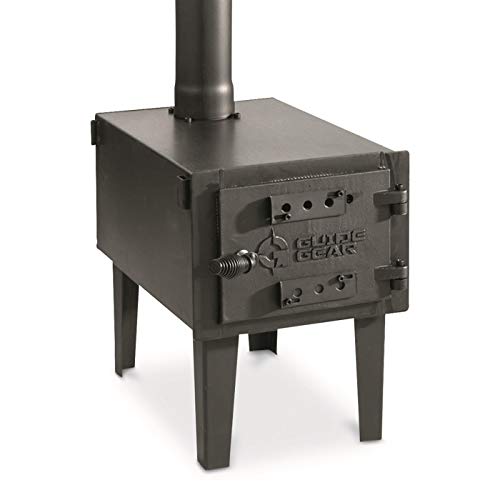
Guide Gear Outdoor Wood Burning Stove; Portable with Chimney Pipe for Cooking and Camping
OUTDOOR WOOD STOVE – We designed our camp stove for use outside. Perfect for use during camping trips…
As an affiliate, we earn on qualifying purchases.
As an affiliate, we earn on qualifying purchases.
Conclusion
So, next time you’re cozying up with your electric heater, remember folks in Alaska wield oil stoves and wood like ancient wizards. While you enjoy your instant warmth, they master the art of self-reliance—no grid, no fuss. Maybe it’s time we all embrace a little off-grid ingenuity, or at least stop whining about rising bills. After all, nothing beats knowing you’ve got fire and fuel in your own hands—literally.

Solar Thermal Engineering: Space Heating and Hot Water Systems
As an affiliate, we earn on qualifying purchases.
As an affiliate, we earn on qualifying purchases.

GEOTHERMAL HEAT PUMPS: FOR RESIDENTIAL RETROFITS
As an affiliate, we earn on qualifying purchases.
As an affiliate, we earn on qualifying purchases.