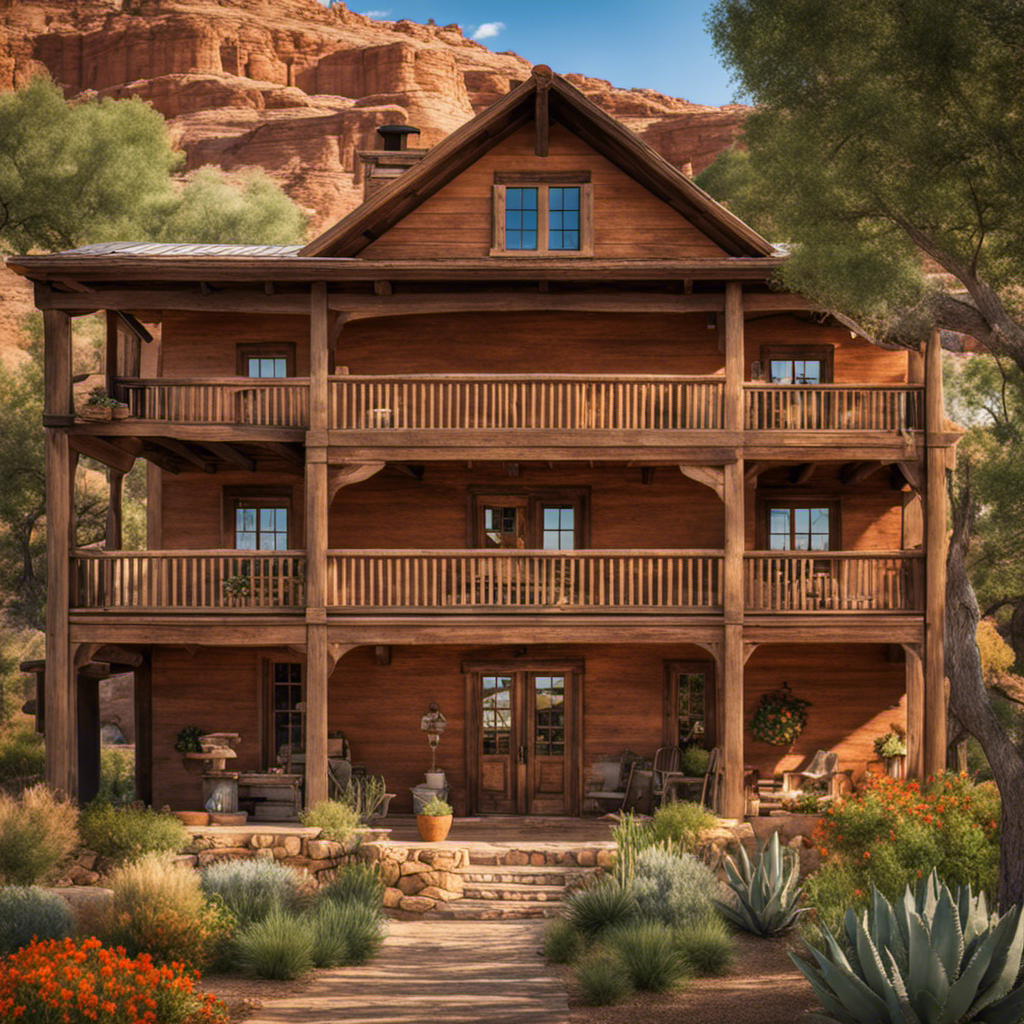
To plan a desert garden effectively, you position plants based on the sun’s path, ensuring they get full sunlight or shade as needed. You can use shading for sensitive species and design the layout to reduce water loss. Incorporating native plants and strategic microclimates helps build resilience. Efficient irrigation like drip hoses delivers water directly to roots, conserving resources. If you keep exploring, you’ll uncover even more ways to create a thriving, sustainable desert landscape.
Open a free Amazon Business account
Business pricing, bulk buying and tax-exempt orders.
As an affiliate, we earn on qualifying purchases.
Key Takeaways
- Garden layouts are aligned with the sun’s path to maximize sunlight exposure and minimize heat stress on plants.
- Plants are strategically positioned to take advantage of microclimates and shaded areas for protection.
- Native plants are selected for their drought tolerance and adaptation to local sun and climate conditions.
- Irrigation systems like drip or soaker hoses are used to deliver water directly to roots, reducing evaporation.
- Watering is scheduled during early morning or late evening to enhance efficiency and conserve water resources.

Have you ever wondered how to create a stunning desert garden that thrives in harsh conditions? The secret lies in thoughtful planning around sun angles and efficient irrigation. When designing your garden, start by understanding the sun’s path throughout the day and across the seasons. Position your plants to maximize sun exposure for those that need full sunlight, while shading more sensitive species during the hottest hours. This strategic placement helps reduce water loss and keeps your plants healthy. By aligning your garden layout with the sun’s movement, you can minimize the need for excessive watering and protect your plants from sunburn or heat stress. Choosing plants with trusted reputations that are well-suited for desert environments can further enhance your garden’s resilience.
Selecting native plants is a vital step. Native plant selection ensures your garden is naturally adapted to the local climate, requiring less water and maintenance. These plants have evolved to withstand the intense sun and limited rainfall typical of desert environments. Incorporating native species not only conserves water but also supports local ecosystems by attracting native pollinators and wildlife. When planning your garden, research which plants are indigenous to your area and select a variety that offers visual interest year-round. This way, your desert garden will flourish with minimal intervention, making water conservation techniques easier to implement. Understanding climatic adaptations can help you choose the most suitable and sustainable plants for your landscape. Additionally, selecting plants with appropriate drought tolerance ensures your garden remains vibrant even during prolonged dry periods.
Irrigation in desert gardens should be efficient and targeted. Instead of sprinkling water over the entire area, adopt water conservation techniques like drip irrigation or soaker hoses. These methods deliver water directly to the roots, reducing evaporation and runoff. Plan your irrigation zones based on plant needs, grouping together plants with similar water requirements. This prevents overwatering some species while under-watering others. Additionally, water early in the morning or late in the evening to further minimize evaporation. By carefully designing your irrigation system, you guarantee that every drop counts, conserving valuable water resources while keeping your plants healthy.
Finally, pay attention to your garden’s microclimates. Areas shaded by rocks, walls, or larger plants tend to stay cooler and retain moisture longer. Use these spots strategically for plants that might struggle with direct sun or require slightly more water. Mulching around plants also helps retain soil moisture, reducing the frequency of watering. Remember, planning with sun angles and water conservation in mind isn’t just about saving water—it’s about creating a resilient, sustainable desert garden that thrives despite the challenging environment. By combining native plant selection with smart irrigation techniques and thoughtful placement, you craft a beautiful landscape that endures over time.
desert garden native plant seeds
As an affiliate, we earn on qualifying purchases.
As an affiliate, we earn on qualifying purchases.
Frequently Asked Questions
How Do Seasonal Changes Affect Desert Garden Sun Angles?
Seasonal changes impact your desert garden’s sun angles by shifting the solar path and sun trajectory. During summer, the sun rises higher and stays longer, providing more intense sunlight, while winter highs are lower, reducing exposure. These variations affect plant placement, as you’ll want to position sun-loving plants where they receive maximum light in summer, and shade-tolerant ones where the sun’s path is less direct during colder months.
What Are the Best Native Plants for Desert Gardens?
You’re probably dreaming of a desert paradise, so choose native plants like agave, yucca, and desert marigold—they’re the real survivors. These desert plant adaptations let them thrive with minimal water, turning your native plant landscaping into a drought-tolerant haven. No need for fancy irrigation or constant fuss; these plants are built for the harshest conditions, making your garden a resilient, low-maintenance marvel.
How Can I Minimize Water Use in My Desert Garden?
To minimize water use in your desert garden, start by collecting rainwater through harvesting systems to reduce reliance on tap water. Use mulching techniques around plants to retain soil moisture and suppress weeds. Choose drought-tolerant native plants that thrive with less water. Group plants with similar water needs together, and avoid overwatering. These strategies help conserve water, support healthy plants, and create a sustainable, vibrant desert landscape.
What Soil Types Are Ideal for Desert Planting?
Imagine your garden thriving in well-draining, sandy or rocky soil that mimics desert terrain. You should test your soil to determine its pH and nutrient levels, then add amendments like compost or sand to improve drainage and fertility. These ideal soil types prevent waterlogging and support drought-tolerant plants, ensuring your desert garden flourishes naturally. Proper soil preparation creates a resilient foundation, making your desert landscape vibrant and sustainable.
How Do Urban Structures Influence Sun Exposure in Desert Gardens?
Urban structures greatly influence sun exposure in desert gardens by creating shaded pathways and building shadows. You’ll notice that buildings cast shadows at different times of day, reducing direct sunlight on certain plants. This can help you strategically position your garden elements, ensuring some areas receive ample sun while others stay protected. By understanding these shadows, you can optimize plant placement for healthy growth and conserve water in your desert landscape.
Conclusion
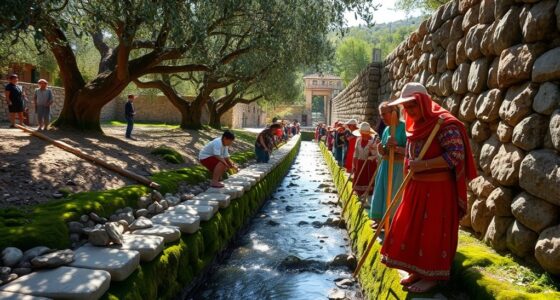
So, next time you stroll through a desert garden, remember it’s not just chance that shapes its beauty. By carefully considering sun angles and irrigation, designers create thriving, sustainable spaces. Some say ancient civilizations mastered this art, proving that understanding nature’s patterns can unveil incredible landscapes. Whether or not that’s entirely true, it’s clear that thoughtful planning transforms arid lands into lush, inviting gardens. With a little science and a lot of insight, you too can create desert beauty that endures.
Flea & tick season Picks
flea and tick prevention
As an affiliate, we earn on qualifying purchases.