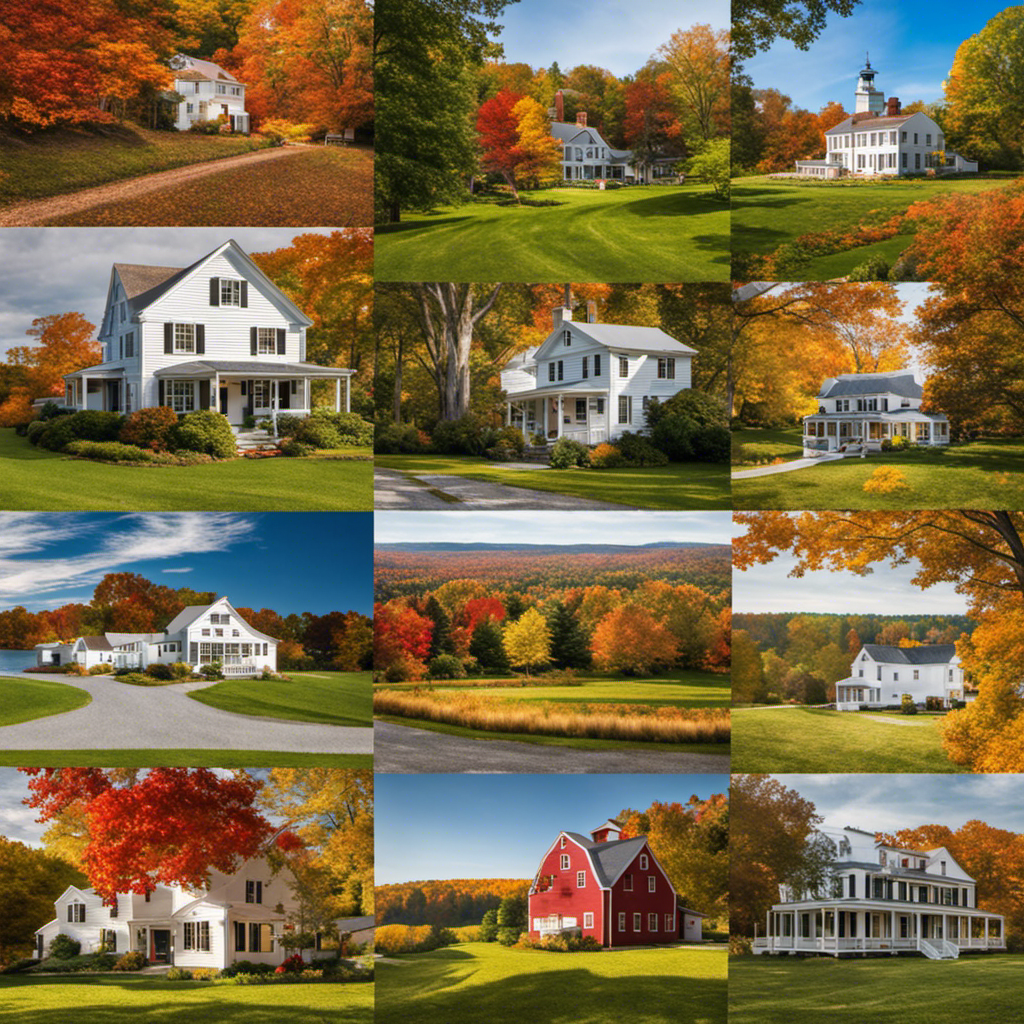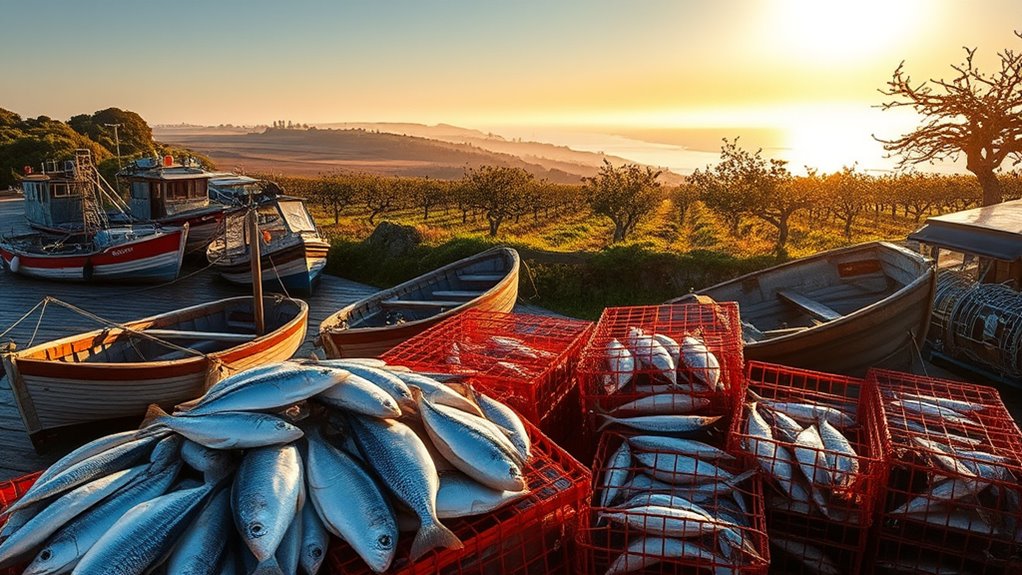

Farm-sea economies blend land agriculture with marine resources to boost communities and expand markets. By supporting sustainable aquaculture, you can create diverse products like seafood snacks or organic seaweed, opening new business opportunities. This integrated approach increases income, encourages innovation, and helps preserve ecosystems. If you’re curious about how these systems drive regional growth and community resilience, there are many more insights to explore as you continue.
Key Takeaways
- Integrating cod fisheries with seaweed and seafood product processing diversifies income streams.
- Farm-sea economies foster sustainable practices that protect marine ecosystems while supporting local livelihoods.
- Innovation in value-added products like seafood-based ciders and jerky enhances market reach and profitability.
- Infrastructure investments improve logistics, enabling faster, higher-quality delivery of farm-sea products globally.
- Community resilience and economic diversification are strengthened through sustainable aquaculture and traditional farming synergy.
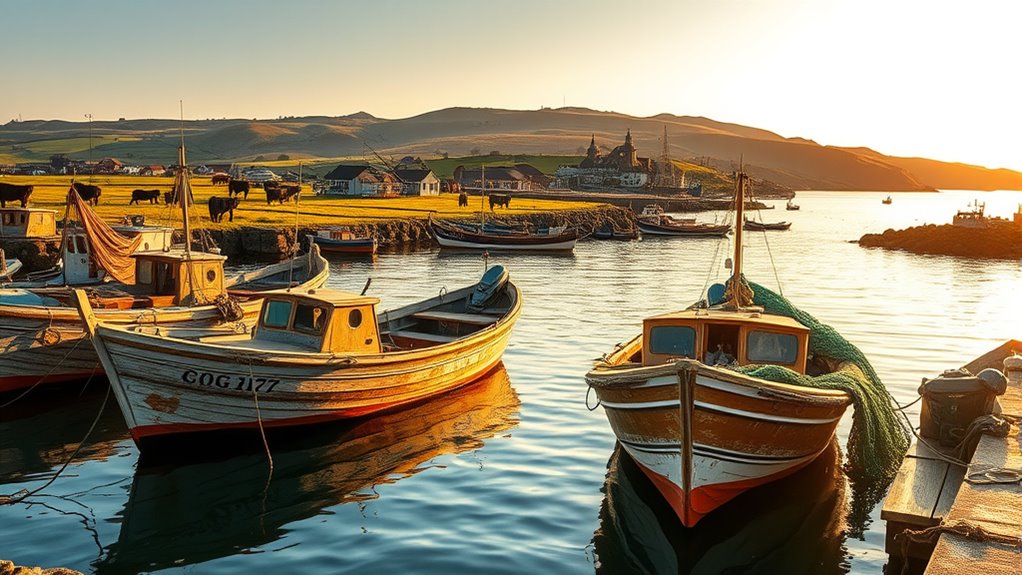
Have you ever wondered how farms and seas can work together to boost local economies? It’s a fascinating concept—combining terrestrial agriculture with maritime resources to create resilient, thriving communities. This synergy is the backbone of farm-sea economies, where sustainable aquaculture plays a fundamental role. By adopting sustainable aquaculture practices, you can guarantee fish and shellfish are farmed responsibly, minimizing environmental impact while maximizing productivity. This approach not only preserves marine ecosystems but also offers a reliable source of income for local farmers and fishers. When done correctly, sustainable aquaculture becomes a cornerstone of regional development, allowing communities to diversify their economic activities beyond traditional land-based farming.
Farms and seas working together boost local economies through sustainable aquaculture and regional development.
Seamlessly integrating these practices into the local economy also opens doors to expanding maritime trade. Once you establish sustainable aquaculture operations, you create a surplus of seafood products that can be traded beyond local markets. Maritime trade becomes an essential component, connecting your community to national and international markets. This movement of goods can bring in significant revenue, creating jobs and supporting local businesses such as processing plants, transportation services, and retail outlets. The key is guaranteeing that the seafood products meet quality standards for export, which often involves implementing best practices in harvesting, handling, and storage. This way, your community can build a reputation for high-quality, responsibly farmed seafood, making it more attractive to buyers worldwide.
Moreover, the integration of farm and sea economies encourages innovation and diversification. You might explore value-added products like seafood-based ciders, fish jerky, or organic seaweed snacks, which can command higher prices in niche markets. Such diversification extends the economic reach of your community and creates new opportunities for entrepreneurs and artisans. Additionally, by investing in infrastructure—such as improved ports, aquaculture facilities, and transportation networks—you can enhance the efficiency of maritime trade and guarantee that products reach markets faster and in top condition. Incorporating market research into your planning helps identify consumer preferences and emerging trends, ensuring your products stay competitive.
Ultimately, your participation in a farm-sea economy can lead to a more sustainable and resilient community. By balancing land-based agriculture with sustainable aquaculture and engaging actively in maritime trade, you help foster a local economy that’s environmentally responsible, economically diverse, and globally connected. This integrated approach not only boosts income and employment but also conserves natural resources for future generations. When farms and seas work together, everyone benefits—creating a thriving, sustainable future where local traditions and global markets coexist harmoniously.

Gimme Seaweed Organic Premium Roasted Seaweed Snacks, Sea Salt & Avocado Oil, 20 Count, Keto, Vegan, Gluten-Free, Great Source of Omega3s and Iodine, Healthy On-The-Go Snack for Kids and Adults
HEALTHY SNACKs compatible with Keto, Vegan, Vegetarian, Gluten-Free and Low Carb diets, Gimme’s Organic Roasted Seaweed is a…
As an affiliate, we earn on qualifying purchases.
As an affiliate, we earn on qualifying purchases.
Frequently Asked Questions
How Do Farm-Sea Economies Impact Local Communities’ Employment?
Farm-sea economies boost your community’s employment by creating diverse job opportunities. You benefit from increased community resilience as local industries adapt to changing markets. Skill development programs help you and others gain new expertise, making the community more sustainable. These economies encourage entrepreneurship and support small businesses, ensuring long-term employment stability. Overall, they strengthen your community by fostering economic growth and empowering residents with valuable skills.
What Environmental Challenges Do Farm-Sea Industries Face?
Like sailors steering treacherous waters, your farm-sea industry faces environmental challenges such as marine pollution and habitat destruction. These issues threaten marine ecosystems, depleting resources and disrupting biodiversity. You must implement sustainable practices, reduce waste, and protect critical habitats to guarantee the health of both the environment and your industry. Failing to address these challenges risks sinking your community’s livelihood into the depths of ecological decline.
How Do Regulations Differ Between Farming and Fishing Sectors?
You’ll find that regulations differ between farming and fishing sectors mainly in their focus on regulatory compliance and licensing procedures. Farming often requires adherence to land-use permits, environmental standards, and safety regulations, whereas fishing emphasizes catch limits, vessel licensing, and sustainable harvest practices. You need to navigate distinct licensing procedures for each sector, ensuring you meet specific rules to operate legally and sustainably in both industries.
What Innovations Are Shaping the Future of Farm-Sea Economies?
You’ll see aquaculture advancements and sustainable practices shaping your farm-sea economy’s future. Innovations like smart farming tech, pollution reduction, and eco-friendly feed help you produce more efficiently while safeguarding the environment. These advancements enable you to meet increasing demand, lower costs, and ensure long-term sustainability. By adopting new methods, you stay competitive and contribute to healthier ecosystems, making your farm-sea economy more resilient and forward-looking.
How Do Global Markets Influence Farm-Sea Product Prices?
You notice how market volatility and trade policies suddenly shift farm-sea product prices, revealing the deep connection between global markets and local livelihoods. When markets fluctuate unexpectedly or trade agreements change, prices can soar or plummet, directly impacting your income. These factors remind you that international economic trends and policies aren’t distant; they ripple through your community, shaping the stability and growth of your farm-sea economy every day.

Rublev Salmon Jerky Original Flavor – Wild Caught Dried Fish Strips, High Protein Snack with Omega 3, Gluten Free Chewy Seafood Jerky, Low Carb On-the-Go Snack, 2 oz (57 g), Made in USA
HIGH PROTEIN SALMON JERKY SNACK – Dried fish strips made from wild caught salmon, delivering 13g of protein…
As an affiliate, we earn on qualifying purchases.
As an affiliate, we earn on qualifying purchases.
Conclusion
As you consider the future of farm-sea economies, it’s clear that balancing land and sea resources offers untapped potential. By embracing sustainable practices and innovative collaborations, you can help guarantee these industries thrive for generations to come. Isn’t it time you championed a model that respects nature while fueling growth? The choice is yours—will you support a future where land and sea work together in harmony?
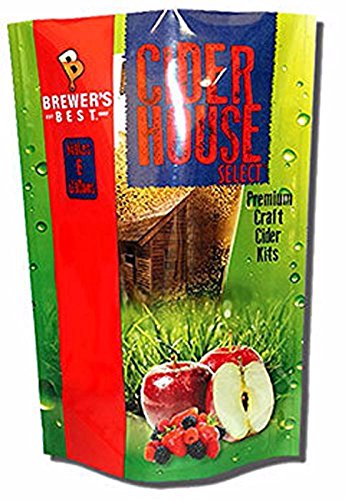
Cider House Select-1172 Home Brew Ohio Brewer's Best Pear Cider Kit
Brewer's best cider house select pear cider kit
As an affiliate, we earn on qualifying purchases.
As an affiliate, we earn on qualifying purchases.

Deep Technology for Sustainable Fisheries and Aquaculture
As an affiliate, we earn on qualifying purchases.
As an affiliate, we earn on qualifying purchases.