TL;DR

Get furniture and decor delivered free with Prime
- Fast, free delivery on millions of items
- Prime Video, Amazon Music and more included
- Member-only deals all year
Wellness and interior experts recommend five specific home adjustments to combat winter stress. These include reducing visual clutter, optimizing natural light, incorporating nature, using seasonal scents, and adjusting bedroom textures. These changes aim to support mental well-being during shorter days.
Wellness and interior design experts have identified five specific home adjustments to help residents maintain mental well-being during the colder, darker months. As daylight hours shorten and temperatures drop, these strategies focus on reducing visual clutter, optimizing natural light, incorporating natural elements, using seasonal scents, and adjusting bedroom environments. The recommendations, sourced from House Beautiful, aim to transform living spaces into restorative sanctuaries that counteract the stress of winter isolation.
The first strategy involves smart storage solutions to reduce visual noise. Wellness expert Adrienne Herbert, in collaboration with Homesense, stated that reducing visual clutter helps create a calmer mind. She explained that simple storage solutions for everyday items make spaces feel more organized and relaxing. Max Wilson, cofounder of Pocket Storage, emphasized that residents do not need to discard belongings. Instead, he suggested moving summer items out of sight and giving frequently used objects a designated home to make the house feel calmer.
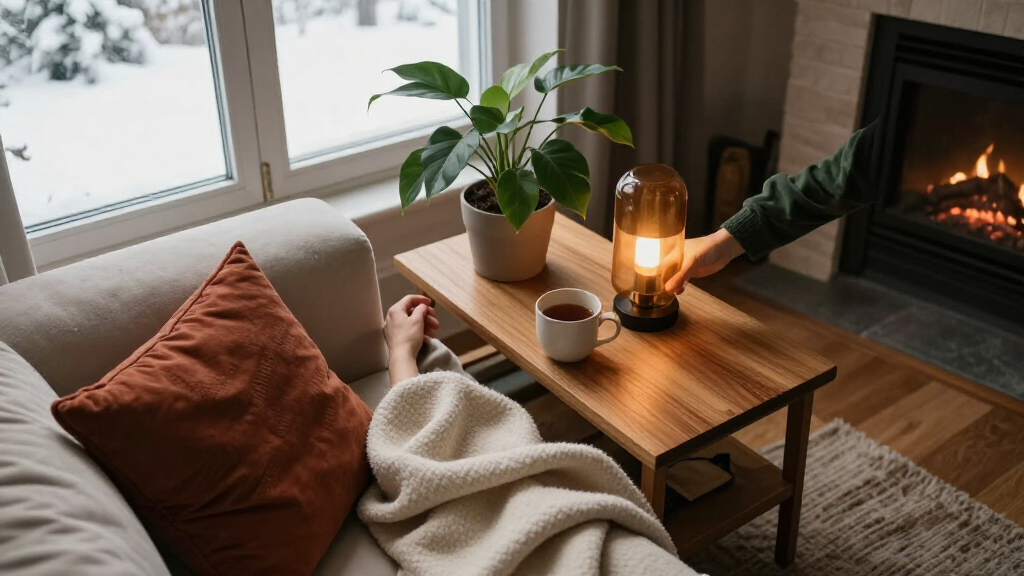
Lighting and nature are the next focus areas. Herbert advised creating a dedicated spot by the window to maximize exposure to natural light. She noted that spending time in daylight early in the day can boost mood and make darker mornings more manageable. Additionally, experts recommend bringing nature indoors through houseplants, fresh flowers, or natural materials like wood and stone. These elements provide a sense of connection to the outdoors, offering a restorative break from grey winter skies.
The final two strategies target sensory experiences and sleep hygiene. Johanna Constantinou, an interior trends expert at Tapi Carpets and Floors, suggested swapping citrus and floral scents for warmer, spiced notes like cinnamon or cedarwood. This shift helps signal the body to unwind. For the bedroom, Josh Branigan from Bedkingdom explained that sleep needs shift with the seasons. He recommended layering soft textures and adding warm lighting to accommodate the body’s changing temperature and rhythm as evenings draw in.
Impact on Seasonal Well-being
These recommendations address a common seasonal challenge: winter blues and increased indoor confinement. While many Americans acknowledge that their homes become more important to their well-being in winter, House Beautiful reports that many do nothing to prepare their space. By implementing low-cost changes like rearranging furniture or adding textiles, residents can potentially mitigate the psychological effects of reduced sunlight and isolation. The advice shifts the focus from major renovations to manageable, expert-backed adjustments that support mental health through environmental design.
home organization storage solutions
As an affiliate, we earn on qualifying purchases.
As an affiliate, we earn on qualifying purchases.
Seasonal Behavioral Shifts
The advice responds to the biological and psychological shifts that occur as seasons change. According to experts, the body’s temperature and rhythm change as weather cools, affecting sleep quality. Furthermore, the reduction in natural light impacts mood and energy levels. These physiological changes often lead to a desire for comfort and safety, making the home environment a critical factor in daily coping mechanisms. The strategies align with broader trends in wellness-focused interior design, which prioritizes sensory comfort and mental clarity over purely aesthetic choices.
“The bedroom that helped you sleep in summer might be doing the opposite by autumn.”
— Josh Branigan, furniture expert at Bedkingdom
Individual Response Variability
While these strategies are expert-backed, individual responses to environmental changes vary significantly. It is not clear how effective these measures are for individuals with clinical seasonal affective disorder (SAD) versus general seasonal mood dips. Additionally, the impact of specific scents or lighting angles can depend on personal sensitivities and existing home layouts. The advice is presented as general guidance for enhancing comfort, rather than a therapeutic prescription for mental health conditions.
Implementing Seasonal Adjustments
Residents are encouraged to start small by decluttering one area or establishing a morning light routine. As winter progresses, further adjustments to textiles and lighting can be made. Experts suggest monitoring how these changes affect daily energy and sleep quality. Future seasonal transitions may require reversing these steps, such as reintroducing lighter scents or brighter, cooler lighting as days lengthen in spring.
Key Questions
Do I need to buy new furniture to implement these tips?
No. Experts like Max Wilson suggest that simply rearranging existing items and using baskets or boxes for storage can significantly reduce visual clutter without new purchases.
How does scent affect my winter mood?
According to Johanna Constantinou, familiar scents act as cues for relaxation. Switching to warmer notes like cinnamon or cedarwood can help signal to your brain that it is time to unwind.
Why is natural light important in winter?
Adrienne Herbert explains that shorter days bring less natural light, which can affect mood. Creating a bright spot by a window helps boost energy and makes mornings feel more manageable.
Should I change my bedroom setup for winter?
Yes. Josh Branigan notes that sleep needs shift with the seasons. Adding soft textures and warm lighting can help accommodate the body’s changing temperature and rhythm during colder months.
Source: rss
Evergreen bestsellers Picks
bestsellers
As an affiliate, we earn on qualifying purchases.